

Ever come across a website that you had a great interest in, but felt that the cost of the product was too much? If you have, then you will have come across those tempting offers, ‘Buy now, Pay later in 4 instalments’.
It’s a game-changer for millions of people who can shop online for their favourite styles from fashion to gadgets, without having to pay the entire cost in one payment.
While the apps such as Buy Now, Pay Later (BNPL) are convenient, they are also altering the way people spend money, and not in a positive way. Let’s discuss how they operate, why they’ve been gaining in popularity, and what you should look out for before engaging in any of these services.
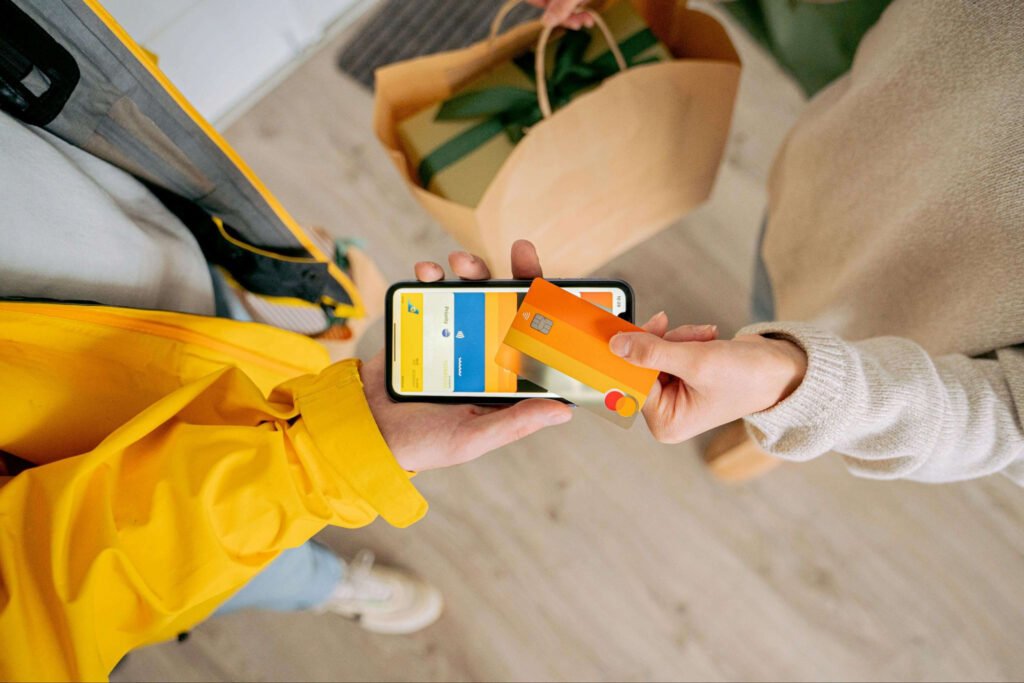
What is Buy Now Pay Later?
Buy Now, Pay Later services are web based applications that allow you to make a purchase without paying the total price at once. Rather, the application breaks the purchase down into smaller instalments, typically four equal repayments over 6-8 weeks. Some of the most popular BNPL apps are Klarna, After-pay, PayPal Pay in 4, and Affirm.
The basic steps are as follows: You put an item in your shopping cart, check out with BNPL and you can buy it with the click of a single button. Money is automatically taken from your bank account or card at regular intervals. Usually, the service does not collect any interest in case of timely payment, but you may have to pay some late fees.
Most BNPL service providers don’t run a complete credit check, unlike regular credit cards. That’s why they’re often easily available to those who may have trouble obtaining a loan, but it’s also why they’re approved in a split second and without difficulty. Sometimes too much difficulty.
Why BNPL Apps Became So Popular
The rise of BNPL is no coincidence. There is a number of reasons for their explosive growth:
- Convenience and instant approval: BNPL apps make the process of getting approved quick and easy, without the need for extensive paperwork.
- No interest when paid on time: This is a good deal for those who are looking to shop on a budget and avoid paying credit card interest. It is easier to pay ₹2,500 four times versus paying the entire ₹10,000 at once.
- Online shopping boom: BNPL apps became the new way to shop as e-commerce grew stronger, particularly in lockdowns.
- Partnerships with retailers: Amazon, Myntra, and other businesses have jumped on the BNPL bandwagon, making it easily accessible.
How BNPL Encourages Impulsive Spending
The problem is the simplicity of BNPL can work against you. If you only see the smaller payment in your mind, you may not realize how much you’re paying. The ₹15,000 dress no longer costs ₹15,000 to wear but rather four times ₹3,750.
This phenomenon in psychology is referred to as ‘payment disaggregation,’ and it’s an effective strategy. If you have fewer numbers, then the financial worry is reduced.
This helps you feel better about your purchases than you would if you thought about the money again. A new gadget, trendy shoes, or home decor item suddenly looks like a great deal and it can add up fast.
Research indicates that BNPL is more effective at increasing spending than traditional up-front payment. Getting it “now” and not spending the money up front may be more appealing than it is good for you.
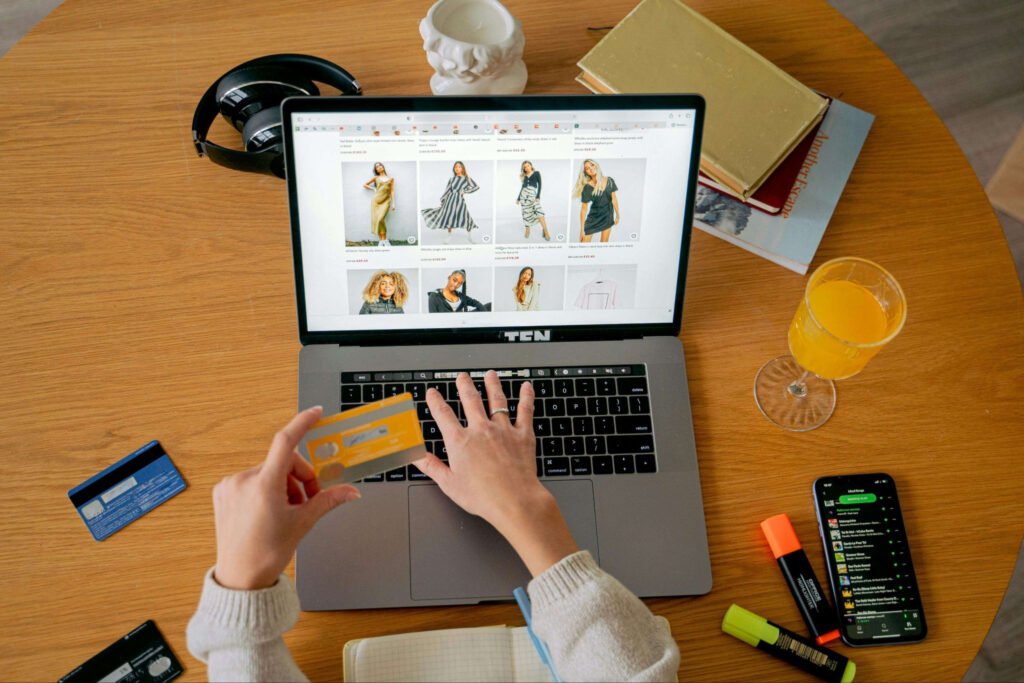
The Hidden Risks of Instalment Spending
Although BNPL appears to be a low-risk investment, there are a number of risks that lie beneath the surface:
- Late fees/penalty: If you miss a payment or are just a few days late, you may be charged with a late fee from ₹500 to ₹2000 or more, along with interest.
- Multiple repayments trap: It’s simple to make multiple BNPL purchases without keeping track of them. Now you’ve got 10+ active instalment plans all on the go. Your responsibilities soon increase if they are each charging ₹2,000 to ₹3,000 per month.
- Debt accumulation: BNPL is not listed as a regular debt on credit reports – (not yet). This hidden debt can actually be accrued without you even being able to tell how much you really owe.
- Cash flow issues: Even if you have the cash now, you could run out of cash when unplanned expenses occur.
- Potential effect on the credit score: This may have an impact on the credit score, although most providers don’t report it. Failure to pay and the accumulation of debt may impact your creditworthiness at some time in the future.
Why Young Consumers Use BNPL More Frequently
The Gen Z and millennials are the most likely to use BNPL. Here’s why:
- Digital natives: Young people feel comfortable using apps and making payments online. They feel it is normal to use BNPL.
- Social Media influence: BNPL products are being sold on platforms like Instagram, TikTok and YouTube. Installs are normalised as influencers demonstrate their hauls, which are made possible by these apps.
- Lower incomes, higher consumption expectations: Young workers may earn modest incomes, but dream of having the same lifestyle as their higher income counterparts. BNPL fills that void.
- Lifestyle trends and FOMO: Young consumers are drawn to choices such as BNPL as they desire to know and opt for the latest styles, devices, and trends.
Smart Ways to Use BNPL Responsibly
This is not the end of the day – this is not bad for BNPL – and it is a tool. As with all tools, it depends on the use to which it is put. Here are a couple of helpful hints:
- Buy only what you need: 24 hours here too! Avoid using BNPL to buy things that you don’t need. Wait 1 day and see if you really need it.
- Monitor repayment dates: Make a reminder for each repayment. Even missing one payment can have a snowball effect in terms of late charges.
- Do not add on additional instalments: If you are paying for more than one BNPL purchase, count them out and think about making a new one. Try to do only one or two at a time.
- Create a monthly payment plan: Incorporate all BNPL payments into your monthly budget. Be sure they do not exceed 10-15% of your after-tax income.
- Read the terms carefully: Before you agree, understand the terms of payment, fees, and penalties for late payments.
Common Mistakes People Make With BNPL Apps
- Misses payment dates: Bills are forgotten due to busy life. Late fees will add up fast to an enormous debt. Some people view BNPL as an emergency loan. This results in overspending and cash flow issues.
- Not considering alternatives: Depending on the circumstances, there may be an alternative option, such as a rewards credit card or a personal savings plan that may be better suited.
- Hidden costs: BNPL may not have any interest rate, but it does have costs like late fees and the impact on credit.
- Psychological trap: Exceeding budget limits because of the belief that it’s within reach. Numerous individuals tend to overspend by believing it is financially manageable.
Final Thoughts
BNPL apps have revolutionised the retail world, enabling people with no credit to buy items. Any convenience comes at a cost. What is not under discussion is whether it’s good or bad, it’s whether it’s wise or foolish to use BNPL.
As with all credit cards, BNPL may be a wonderful alternative for you if it is used correctly but detrimental if it is utilised incorrectly. If you click on that button, think to yourself: Do I really need this? Will I have the ability to pay the payments? What other plans do you think about that are different from this plan?
Remember, money spent = money spent, know what you have to spend and try to think of ways to spend less. The mindset that adopting and BNPL is not a debt trap is not addressed.